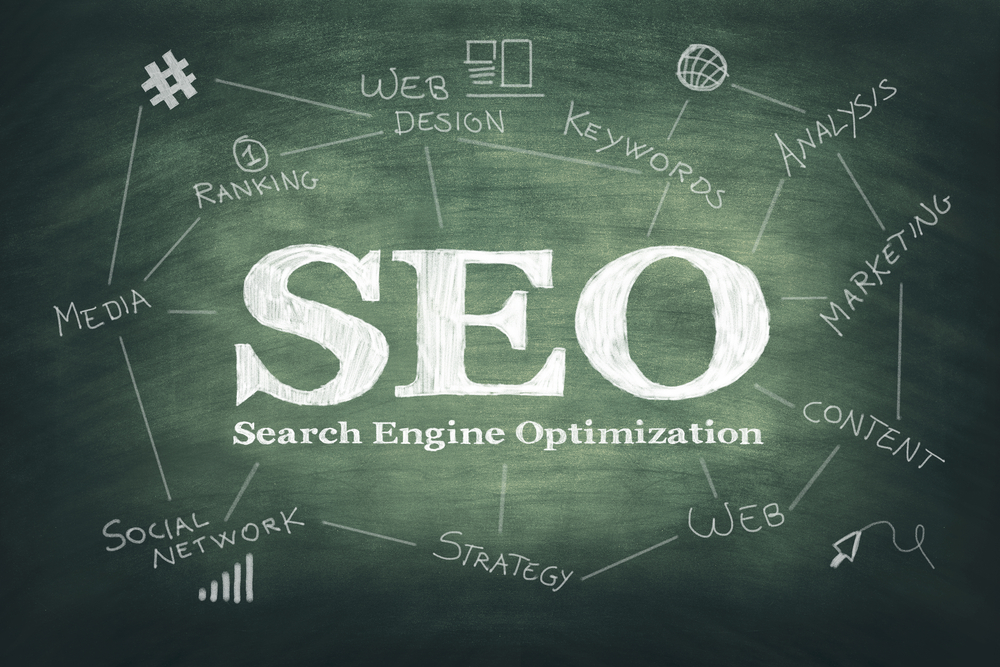
In today's digital age, having a strong online presence is crucial for any business or brand. With millions of websites competing for attention, it's essential to optimize your website for search engines to attract organic traffic. This is where Search Engine Optimization ( SEM/SEO ) and link building come into play. In this article, we will explore some effective strategies to boost your website's organic traffic and improve its visibility in search engine results.
1. Create High-Quality, Engaging ContentContent is king when it comes to SEO . Producing high-quality, relevant, and engaging content is imperative to drive organic traffic. Search engines prioritize websites that provide valuable information to users. Make sure your content is well-written, error-free, and provides value to your target audience. Incorporate relevant keywords naturally throughout your content to help search engines understand what your website is about.
2. Optimize On-Page SEO (or SEM) Elements
On-page SEO (search engine optimization) refers to optimizing various elements on your website to improve its visibility on search engine results pages (SERPs). Start by optimizing your website's title tags, meta descriptions, headers, and URLs. Use descriptive and keyword-rich titles and meta descriptions that accurately describe your content. Headers should be organized using HTML header tags (H1, H2, H3, etc.) to make your content easier to read and understand for both users and search engines.
3. Build High-Quality Backlinks
Backlinks remain a crucial factor in improving your website's organic visibility. When reputable websites link to your content, it signals to search engines that your website is trustworthy and provides value. Focus on building high-quality backlinks from authoritative websites within your industry. You can achieve this by creating valuable content that others will want to link to, reaching out to relevant websites for guest blogging opportunities, and participating in industry forums and communities.
4. Improve Website Loading Speed
Website loading speed is a crucial factor that affects both user experience and search engine rankings. Slow-loading websites lead to higher bounce rates and lower organic visibility. Optimize your website's loading speed by compressing images, minifying CSS and JavaScript files, using caching techniques, and choosing a reliable web hosting provider. Google's PageSpeed Insights tool can help you identify speed-related issues and provide recommendations for improvement.
5. Optimize for Mobile Devices
With the increasing use of smartphones and tablets, optimizing your website for mobile devices is no longer optional. Mobile optimization is not only important for user experience but also a ranking factor for search engines. Ensure your website is mobile-friendly by using a responsive design that adapts to different screen sizes. Optimize for touch interactions, improve page load speed on mobile devices, and make sure your content is easily readable without zooming or horizontal scrolling.
6. Regularly Monitor and Analyze Performance
Keeping track of your website's performance is essential to identify areas for improvement. Utilize tools like Google Analytics to monitor important metrics such as organic traffic, bounce rates, time on page, and conversion rates. Analyzing this data will help you understand how users interact with your website and identify opportunities for optimization. Regularly reviewing and updating your SEO/SEM strategies based on these insights will contribute to long-term organic traffic growth.
7. Frequently Asked Questions (FAQs)
Q1: How long does it take for SEO efforts to show results?A1: SEO is a long-term strategy, and it can take several months to see significant results. However, implementing effective SEO techniques can gradually improve your website's organic visibility and drive consistent traffic over time.
Q2: Should I focus more on on-page SEO or link building?
A2: Both on-page SEO and link building are crucial for optimizing your website. On-page SEO ensures your website is well-structured and user-friendly, while link building helps establish your website's authority and credibility.
Q3: Are paid advertisements necessary for SEO success?
A3: Paid advertisements can supplement your SEO efforts, but they are not a requirement for SEO success. With effective optimization strategies, you can achieve organic traffic without relying solely on paid ads.
Q4: Is it necessary to hire an SEO agency?
A4: Hiring an SEO agency is not mandatory, but it can be beneficial if you lack the time, resources, or expertise to handle SEO optimization effectively. An experienced agency can provide valuable insights and help implement advanced SEO strategies.
Q5: Can I succeed in SEO without technical knowledge?
A5: While technical knowledge can be an advantage, it is not a prerequisite for SEO success. Many basic SEO techniques can be easily implemented by anyone with a basic understanding of website management and optimization.
In conclusion, boosting your website's organic traffic requires a combination of effective SEO strategies and link building techniques. By creating valuable content, optimizing on-page elements, building high-quality backlinks, improving website loading speed, and focusing on mobile optimization, you can enhance your website's visibility in search engine results and ultimately drive more organic traffic to your site. Regular monitoring and analysis, along with continuous optimization, will help you achieve long-term success in the highly competitive online landscape.
Other useful resources
- https://www.seoguru24.com/services/seo/
- https://www.seoguru24.com/services/
- https://www.seoguru24.com/promote-website/